

Technical spotlight / first hardware build
Treadmill Connect
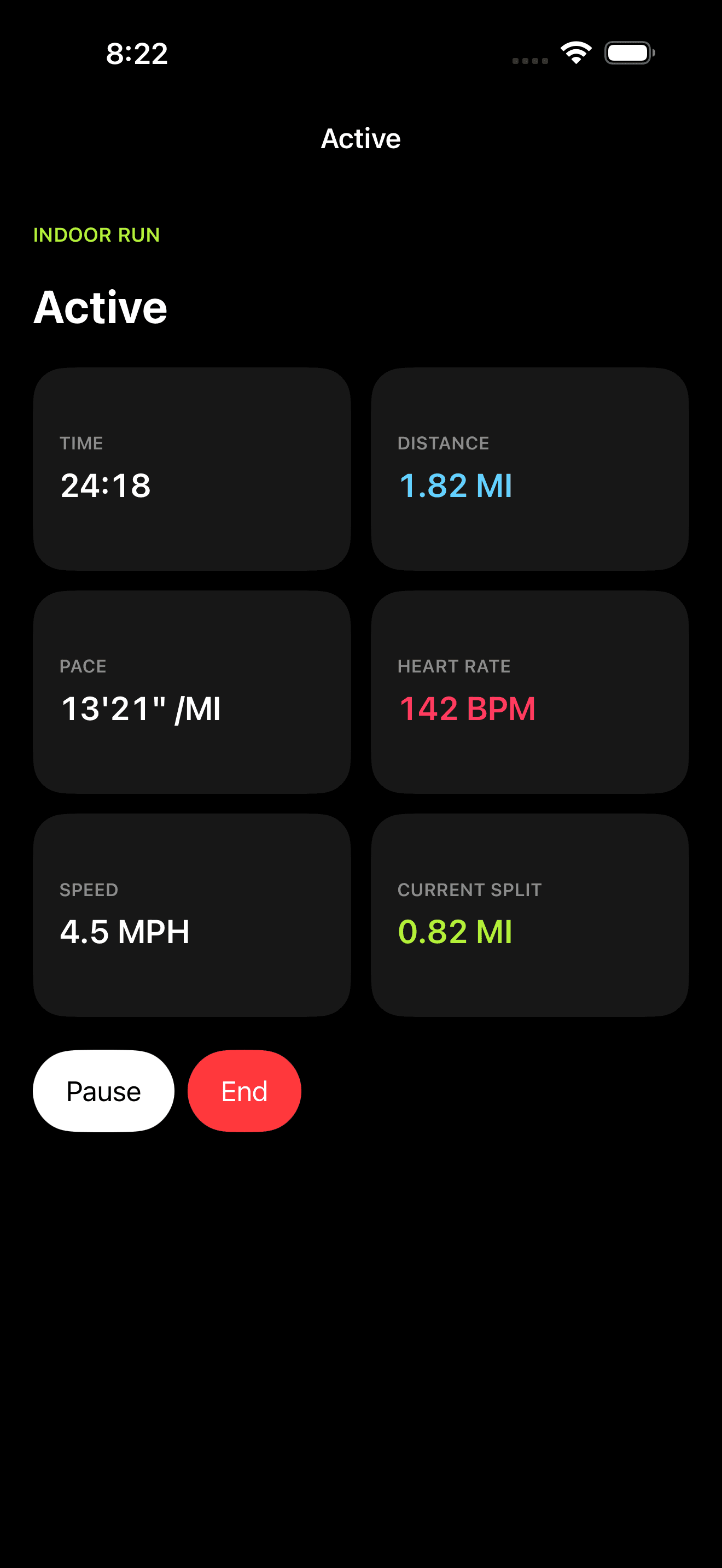
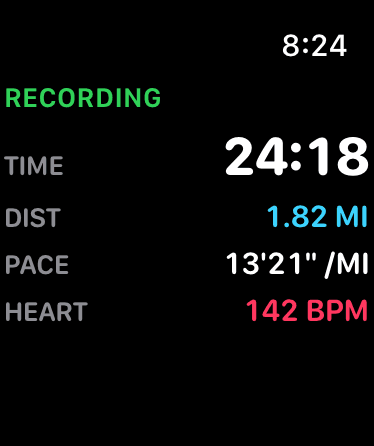
The native iPhone and Watch apps handle Bluetooth restoration, disconnect and reconnect catch-up, splits, pause and resume, HealthKit persistence, retries, and duplicate protection.
Product operator who builds · Queens, NY
I spent a decade close to customers and operations—at Casper, where I was one of the first 15 employees, and running our family business. Now I use AI coding tools to build and ship my own products, from a fitness app my friends use to a native treadmill integration for Apple Watch.
Build sooner. Learn faster. Make better product decisions.

Valentino, probably chasing the light.
Selected work / 01–03
Each started with a problem in my own life. I built the smallest version that could be useful, used it for real, and let that decide what came next.

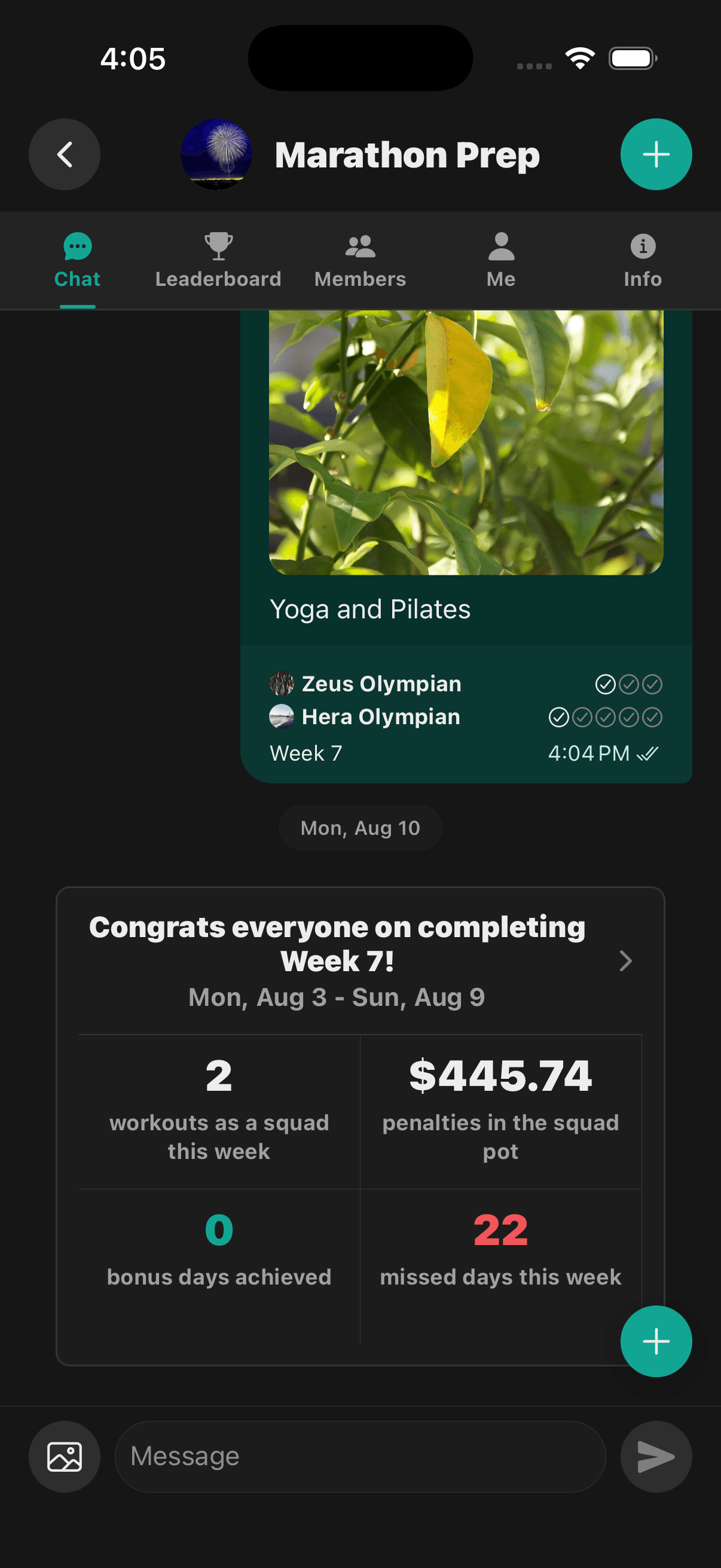
A fitness-accountability app for friend groups: weekly goals, shared workouts, leaderboards, and optional stakes when someone misses.
Read the case study →
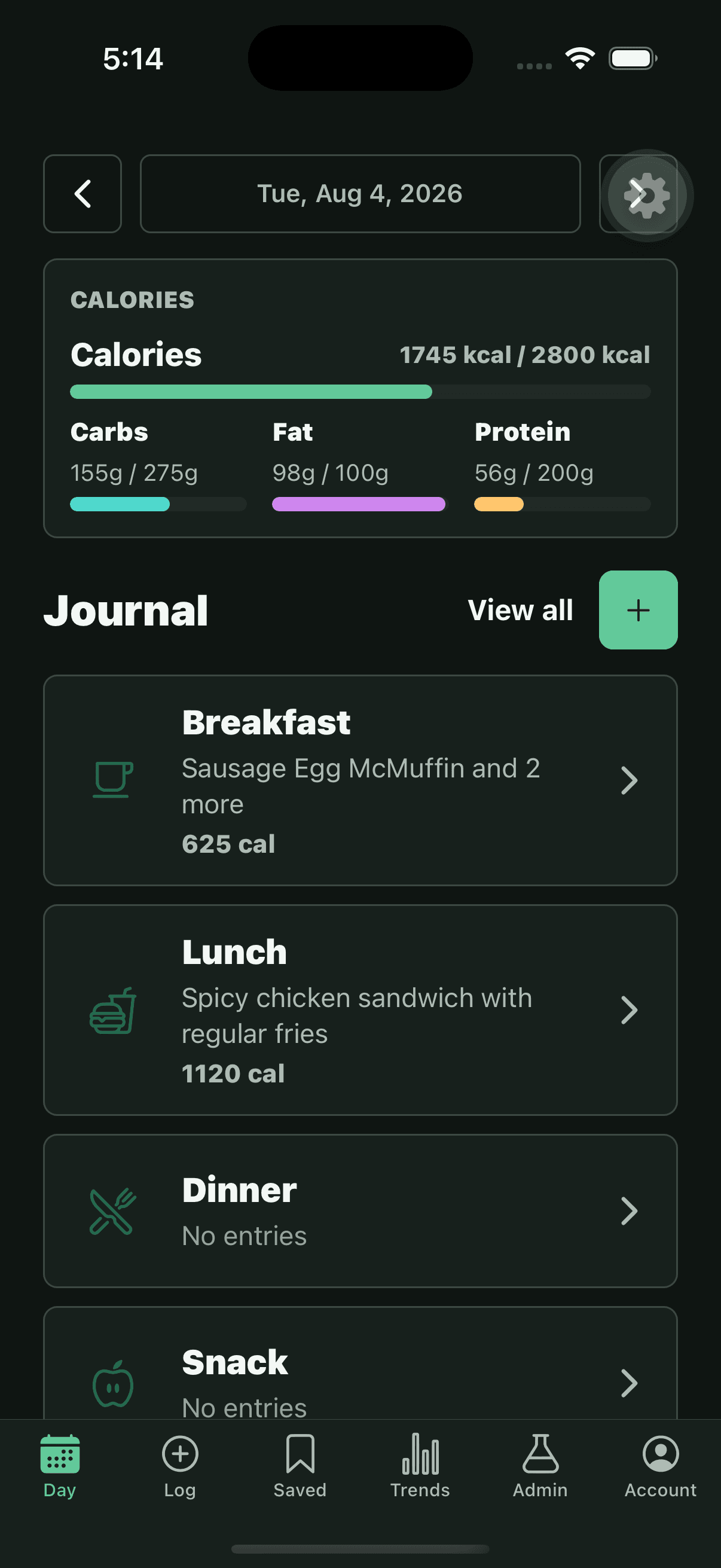
A nutrition tracker that logs meals from plain language and shows its work: sources, confidence, and portions you can edit.
Read the case study →
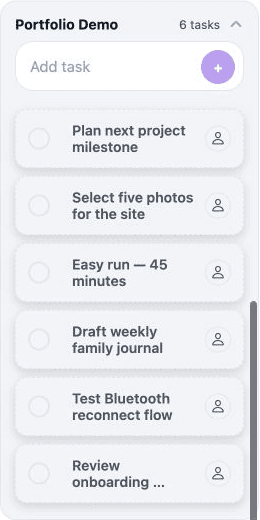
The task system I built because generic to-do apps didn't match how I plan. I use it every day, and it runs on web, iOS, and Android.
Read the case study →

Technical spotlight / first hardware build
The native iPhone and Watch apps handle Bluetooth restoration, disconnect and reconnect catch-up, splits, pause and resume, HealthKit persistence, retries, and duplicate protection.
How I work
The goal is not to ship more software. It is to reduce uncertainty about what people actually need.
Understand the people, context, and outcome before committing to a solution. The ability to build something does not make it worth building.
Say what should change, for whom, and what would show that the idea is wrong.
Use AI coding tools to make the idea real enough that people can respond to a product, not a description of one.
Watch what people do, listen carefully, and separate real signal from polite feedback or my own attachment to the idea.
Improve it, change direction, or stop when the idea has not earned another round.
Experience
Customer teams at Casper, company-wide planning, and a family business taught me the difference between an interesting idea and a problem worth solving.
2022—Now
I build and ship my own products, including Squad Goals, Food Journal, Personal Planner, and Treadmill Connect. I own the product decisions, design, and architecture, and I use AI coding tools for implementation, review, and testing.
2019—Now
Helped grow our family stationery business to high-six-figure annual revenue, managed a six-person team, and made product and operating decisions across launches, fulfillment, wholesale, and customer experience. The current storefront is winding down while my wife explores its next chapter.
2014—2019
Joined among the first fifteen employees, scaled Customer Experience from five to 65+ people, and turned company-wide feedback into clearer product priorities through quarterly planning and CRM modernization.
A fuller picture
Family, health, running, and making images shape what I notice and why I build. These pages are just getting started.
Field notes
One entry a week, rotating through building, career, family, fitness, and photography.
Why I built this site, the thread that runs through my work, and what you can expect here every week.
Read the entry →Read the journal →